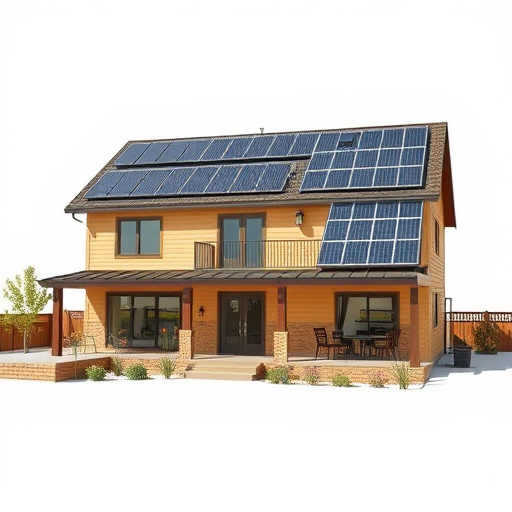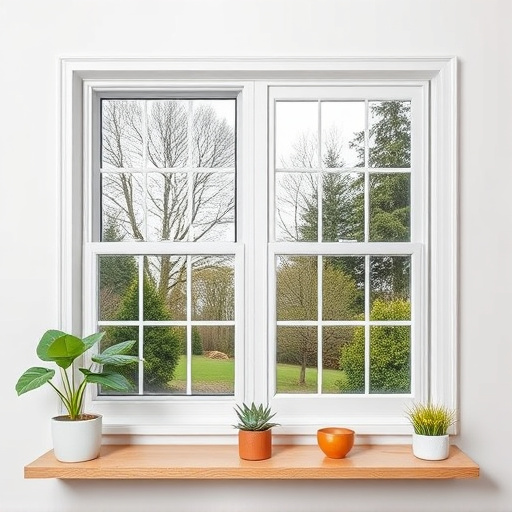
Home renovations focusing on energy-efficient window replacements can save up to 25% on annual heating/cooling costs. Advanced technologies like double/triple glazing and low-e coatings minimize heat transfer, reduce carbon footprint, and enhance indoor air quality. Regular maintenance optimizes efficiency. These upgrades offer long-term savings, government incentives, and smart programmability for comfort and cost reduction.
In the pursuit of sustainable living and cost-effective home renovations, energy efficiency stands as a cornerstone. With heating and cooling accounting for a significant portion of utility bills, windows—often overlooked yet crucial components—play a pivotal role in achieving these goals. Old or inefficient windows can be a home’s weak link, allowing precious energy to escape, leading to increased costs and reduced comfort. This article delves into the transformative power of energy-efficient window replacements, offering an effective solution to mitigate these challenges and contribute to both financial savings and environmental stewardship through strategic home renovations.
- Understanding the Impact: Energy Efficiency in Windows
- Home Renovations: Strategies for Cost-Effective Upgrades
Understanding the Impact: Energy Efficiency in Windows
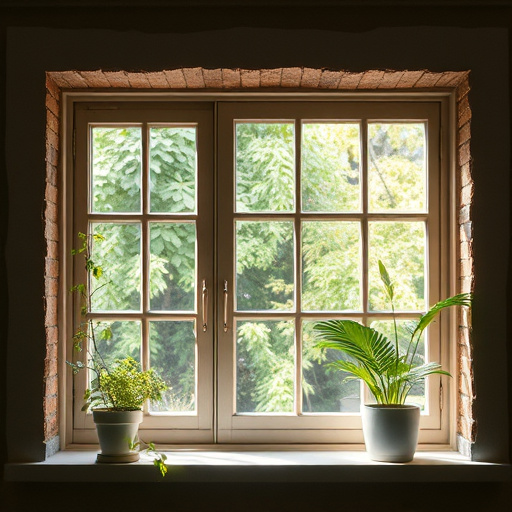
Windows play a pivotal role in a home’s energy efficiency, acting as both entry points for natural light and potential avenues for heat loss or gain. Understanding the impact of energy-efficient windows is crucial for anyone considering home renovations. According to the U.S. Department of Energy, replacing single-pane windows with energy-efficient models can save an average homeowner up to 10% on heating bills and 25% on cooling costs annually. This significant reduction results from advanced technologies like double or triple glazing, which trap air to minimize heat transfer, and low-emissivity (low-e) coatings that reflect heat back into the home during colder months while keeping it out in warmer ones.
The benefits extend beyond financial savings. Energy-efficient windows contribute to a greener environment by reducing a home’s carbon footprint. By lowering energy consumption, these windows help decrease reliance on non-renewable energy sources and the associated emissions. Moreover, they can enhance indoor air quality, as proper window installation ensures better sealing, reducing drafts and potential infiltration of pollutants from outside.
When considering window replacements as part of home renovations, it’s essential to consult with professionals who can assess specific needs and provide tailored solutions. Factors like climate, architectural style, and personal preferences should guide the choice of window types. For example, in colder regions, windows with higher R-values (a measure of thermal resistance) are ideal for superior insulation. Conversely, homes in warmer climates may benefit more from windows designed to maximize natural ventilation and minimize solar heat gain. Regular maintenance, including sealing gaps around frames and replacing worn-out weatherstripping, can further optimize energy efficiency over the window’s lifespan.
Home Renovations: Strategies for Cost-Effective Upgrades

Home renovations offer a powerful opportunity to enhance living spaces while significantly slashing utility bills. Among the most effective strategies involves swapping out old windows for energy-efficient models. This seemingly simple upgrade delivers substantial returns by minimizing heat loss during winter and heat gain in summer, thereby reducing heating and cooling demands. According to the U.S. Department of Energy, replacing single-pane windows with double-pane or triple-pane models can save homeowners up to 20% on energy bills.
Energy-efficient window replacements are a smart investment for several reasons. First, they contribute to long-term savings by mitigating the need for frequent heating and cooling adjustments. Second, many governments offer rebates and tax incentives to encourage the adoption of green building practices, further offsetting initial installation costs. For instance, some utilities provide rebates upon installation of ENERGY STAR® certified windows, which meet strict energy efficiency guidelines. Homeowners should research available programs in their areas to maximize savings.
Implementing these upgrades during home renovations allows for seamless integration of cutting-edge technology. Advanced coatings on modern window glass can reflect heat in warmer months and insulate against cold drafts in winter. Additionally, smart window technologies offer programmability, enabling homeowners to set temperature preferences based on time of day or weather conditions. This level of control not only enhances comfort but also optimizes energy use. By strategically planning for energy-efficient window replacements as part of broader home renovation projects, homeowners can achieve significant cost savings while promoting a more sustainable living environment.
Energy-efficient window replacements are a powerful component of home renovations, offering significant long-term savings on utility costs. By prioritizing energy efficiency, homeowners can reduce their environmental impact while enjoying comfortable indoor environments. This article has illuminated the profound effects of windows on energy consumption and provided practical strategies for cost-effective upgrades during home renovations. Key takeaways include investing in high-quality, double-paned windows, considering dynamic tinting technologies, and ensuring proper installation to maximize energy savings. Armed with this knowledge, homeowners can make informed decisions, contributing to sustainable living while enhancing the comfort and value of their homes.