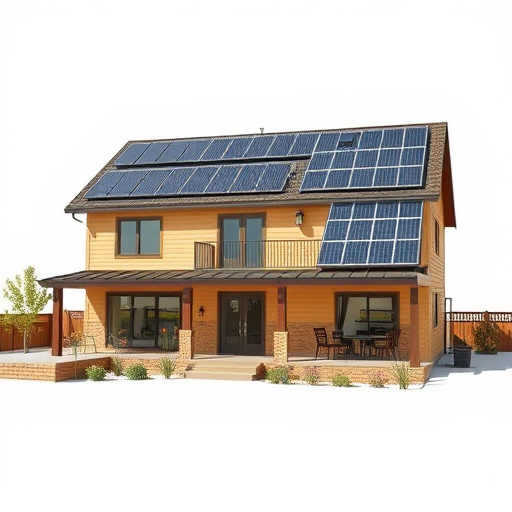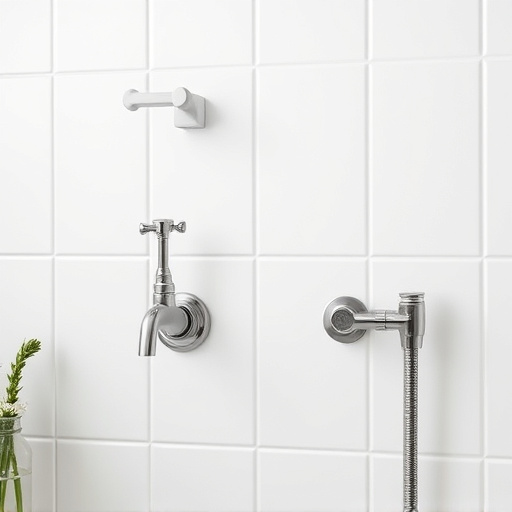
Home renovations prioritizing water efficiency reduce utility bills by 20% and promote environmental conservation. Modern fixtures like low-flow toilets and smart shower systems save up to 70% water without sacrificing performance. WaterSense-labeled products can cut annual water and energy bills by over $300. Professional guidance ensures optimal savings from retrofits, with long-term financial benefits. Simple changes like low-flow showerheads and WaterSense toilets significantly reduce water use, fostering sustainable living.
In the realm of home renovations, water efficiency has emerged as a paramount concern, driving the need for plumbing fixture replacements. The global push towards sustainability and conservation demands innovative solutions to reduce water wastage without compromising functionality. This article delves into the transformative impact of modern plumbing fixtures on water efficiency rates within residential settings. By exploring cutting-edge technologies and design advancements, we uncover how these replacements not only contribute to environmental stewardship but also offer long-term economic benefits for homeowners. Get ready to discover practical insights that empower informed decisions in your next renovation venture.
- Understanding Water Efficiency in Plumbing Fixtures
- Identifying Outdated Fixtures for Replacement
- Selecting Efficient Alternatives: A Guide
- The Impact of Home Renovations on Water Conservation
Understanding Water Efficiency in Plumbing Fixtures
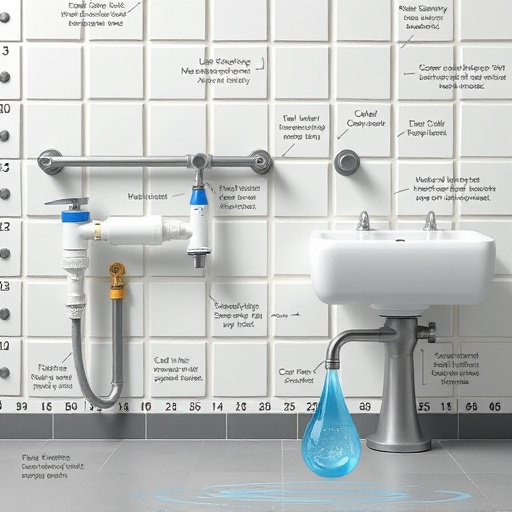
Understanding water efficiency in plumbing fixtures is a key aspect of modern home renovations, as it offers significant environmental and economic benefits. Water efficiency refers to the practice of reducing water usage while maintaining or even enhancing performance. In residential settings, this translates into smaller water bills and less strain on local water resources. For instance, low-flow toilets, which use just 1.6 gallons per flush compared to the 3.5–7 gallons of traditional models, can save up to 20% of a household’s water usage. Similarly, efficient showerheads can reduce water consumption by up to 70%, without sacrificing user experience.
The U.S. Environmental Protection Agency (EPA) estimates that adopting WaterSense-labeled products—which meet strict efficiency criteria—can save an average American family more than $300 annually on their water and energy bills. Moreover, these savings are amplified at the community level, contributing to broader sustainability goals. For homeowners looking to incorporate water-efficient fixtures into their renovations, there’s a wide range of options available. Modern kitchen faucets, for example, come with built-in aerators that mix air with water, maintaining pressure while reducing flow rates. Smart shower systems not only offer customizable temperature and pressure controls but also allow users to monitor and set water usage limits.
Beyond individual benefits, transitioning to water-efficient plumbing fixtures plays a pivotal role in combating broader environmental challenges. According to the World Wildlife Fund (WWF), global water demand is projected to grow by 20%–30% over the next two decades, putting immense pressure on already stressed water resources. By adopting efficient fixtures during home renovations, homeowners can contribute to this global effort while enjoying immediate and long-term savings. Experts recommend that property owners consider a holistic approach when undertaking plumbing upgrades, balancing cost with efficiency to maximize returns for both the environment and their wallets.
Identifying Outdated Fixtures for Replacement
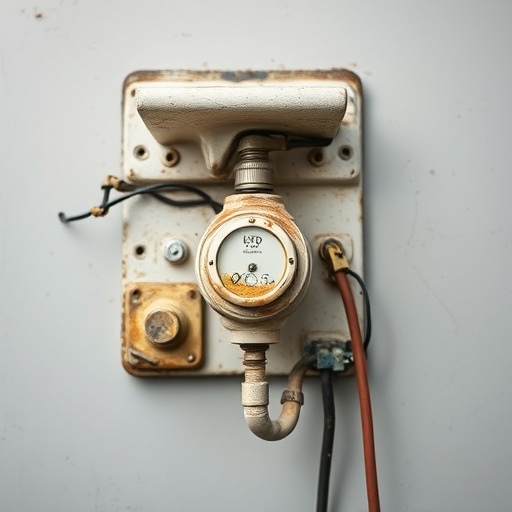
Many older homes feature plumbing fixtures that, while charming, are often significant contributors to high water consumption. Identifying these outdated fixtures as candidates for replacement is a crucial step in enhancing water efficiency rates—a key aspect of both sustainable living and savvy home renovations. The first place to look is in areas like bathrooms and kitchens, where fixtures such as toilets, faucets, and showerheads can be major water guzzlers.
For instance, older toilets can use up to 3.5 gallons per flush (gpf), whereas modern high-efficiency models typically consume 1.6 gpf or less. Similarly, old faucets may have leaky aerators that waste thousands of gallons annually. Replacing these fixtures with water-efficient alternatives not only reduces utility bills but also significantly cuts down on household water usage. According to the Environmental Protection Agency (EPA), replacing just one leaky faucet can save up to 300 gallons of water per year.
During home renovations, homeowners should consider consulting with a professional plumber or contractor who can assess the current plumbing system and offer expert advice on the best replacement options. Look for fixtures labeled as WaterSense certified by the EPA, which meet strict criteria for water efficiency without sacrificing performance. By prioritizing these replacements, homeowners can contribute to both environmental conservation and significant long-term savings.
Selecting Efficient Alternatives: A Guide

When considering home renovations, prioritizing water efficiency is not just an eco-friendly choice; it’s a sensible investment. Selecting efficient plumbing fixture alternatives plays a pivotal role in reducing water consumption and lowering utility bills. In today’s market, a plethora of options cater to various needs and preferences while ensuring significant water savings. For instance, low-flow fixtures reduce water usage by 30% compared to traditional models, without compromising performance. This shift towards water efficiency is not merely a trend but a necessary step towards sustainability.
At the forefront of these advancements are innovative technologies such as pressure-regulating aerators and advanced flow controllers. These devices ensure that water is delivered at optimal pressure while minimizing flow rates, providing users with a satisfying experience without excessive waste. For bathroom faucets, consider models featuring touchless activation or adjustable flow settings. In kitchens, pull-down sprayers offer versatile cleaning options while conserving water. Moreover, smart showerheads that monitor and optimize water usage are gaining popularity, allowing for precise temperature and pressure control.
Beyond individual fixtures, a holistic approach to home renovations involves integrating these efficient alternatives into a well-designed plumbing system. This might include installing on-demand hot water heaters to eliminate the energy waste associated with keeping large tanks heated constantly. Additionally, implementing low-flow toilets, which use as little as 1.28 gallons per flush compared to the 3.5-7 gallons of older models, can lead to substantial savings over time. According to the EPA, replacing just one old toilet with a water-efficient model can save an average family up to $90 annually on water bills. Such strategic renovations not only benefit the environment but also offer long-term financial advantages.
The Impact of Home Renovations on Water Conservation
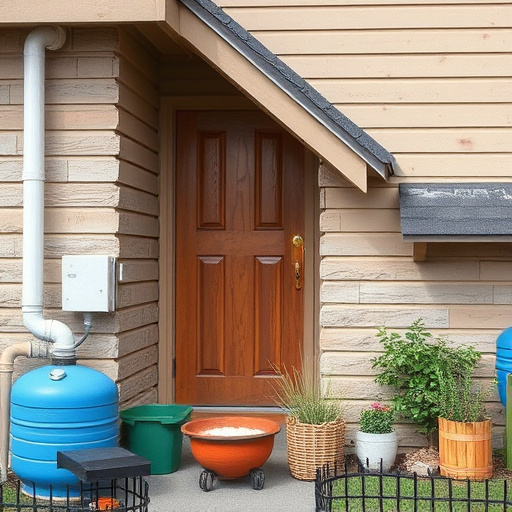
Home renovations present a significant opportunity to enhance water efficiency within residential properties. As water conservation becomes an increasingly vital global concern, focusing on plumbing fixture replacements during home upgrades can yield substantial benefits. According to recent studies, simple retrofits like low-flow showerheads and aerator faucets can reduce water consumption by up to 50% without compromising performance. These seemingly small changes collectively contribute to a more significant reduction in overall household water usage, thereby mitigating the strain on local water resources.
When undertaking home renovations, prioritizing water-efficient fixtures should be at the forefront of every homeowner’s and contractor’s mind. For instance, replacing an old, inefficient toilet with a WaterSense-certified model can save up to 13,000 gallons of water annually for an average family. Additionally, efficient washing machines and dishwashers, which utilize advanced technologies to clean effectively while minimizing water intake, are becoming increasingly prevalent in the market. Investing in these products not only contributes to environmental sustainability but also offers long-term cost savings due to reduced utility bills.
Practical advice for maximizing the water conservation benefits of home renovations includes seeking professional guidance from plumbing experts who can recommend suitable fixture replacements tailored to individual needs and budgets. Homeowners should also consider implementing a comprehensive strategy that involves regular maintenance, prompt repair of leaks, and ongoing monitoring of water usage patterns. By embracing these practices alongside efficient fixtures, families can achieve remarkable water savings while promoting sustainable living in their own homes.
By understanding water efficiency and identifying outdated plumbing fixtures, homeowners can significantly enhance their water conservation efforts. The article has highlighted the importance of replacement as a strategic tool for improving overall water efficiency rates. Key insights include recognizing the impact of older fixtures on water waste and learning to select efficient alternatives tailored to individual needs. Home renovations present an ideal opportunity to integrate these strategies, leading to substantial long-term savings. Through informed decisions during renovations, homeowners can contribute to sustainable water management while enjoying improved plumbing systems.