Home renovations require durable, weather-resistant roofing materials. Key options include asphalt shingles, metal roofing, ceramic tiles, and concrete tiles, each with varying lifespans and maintenance needs. High-quality manufacturing, climate conditions, and regular inspections are crucial. Sustainable alternatives like plant-based and recycled materials offer enhanced environmental benefits. Holistic selection based on local climates ensures optimal durability and energy efficiency in home renovations.
In the realm of home renovations, the roof is a critical component that deserves meticulous consideration. The choice of roofing material can significantly impact a property’s longevity, energy efficiency, and overall aesthetic appeal. This article delves into the art of selecting durable and weather-resistant roofing solutions, essential aspects often overlooked yet pivotal in ensuring a structure’s integrity for years to come. We explore the latest advancements and traditional options, guiding homeowners and professionals alike through this vital decision, offering valuable insights for successful projects.
- Understanding Durability: Key Factors for Roofing Materials
- Weatherproof Options: Protecting Your Home from the Elements
- Traditional vs Modern: A Look at Material Trends in Renovations
- Longevity and Cost-Effectiveness: Smart Choices for Lasting Roofs
- Green Alternatives: Eco-Friendly Options for Sustainable Homes
- Expert Advice: Selecting Materials for Optimal Performance
Understanding Durability: Key Factors for Roofing Materials
When considering roofing materials for home renovations, understanding durability and weather resistance is paramount. These attributes directly impact the longevity and overall performance of a roof, safeguarding your investment against the elements for years to come. Key factors influencing durability include material composition, manufacturing quality, and environmental exposure.
For instance, asphalt shingles, a common choice due to affordability and ease of installation, offer reasonable durability when maintained properly. However, they typically degrade faster under intense UV radiation and harsh weather conditions, leading to premature aging and increased maintenance costs over time. In contrast, metal roofing excels in longevity and resistance to weathering. Galvanized steel and aluminum varieties are particularly durable, with some manufacturers guaranteeing materials against corrosion for up to 50 years. Ceramic tiles also boast excellent durability, though they can be more susceptible to damage from heavy debris during storms.
Expert advice emphasizes the importance of high-quality manufacturing standards. Look for roofing materials that bear third-party certifications indicating superior craftsmanship and material strength. Additionally, consider regional climate patterns when selecting a roof. In areas prone to extreme temperatures or frequent storms, choosing materials specifically designed to withstand such conditions can significantly extend their lifespan. Regular inspection and maintenance also play a crucial role in preserving the durability of your roofing system, ensuring that any issues are addressed promptly before they escalate.
Weatherproof Options: Protecting Your Home from the Elements
When considering roofing material for your home renovations, prioritizing durability and weather resistance is paramount to safeguard your investment against the relentless elements. The right choice can significantly extend the lifespan of your roof while minimizing costly repairs and replacements over time. In regions prone to harsh climates, this becomes an even more critical factor.
Weatherproof options encompass a range of materials designed to resist penetration by water, wind, and extreme temperatures. Asphalt shingles, long a popular choice, offer a cost-effective solution with advancements in manufacturing ensuring superior weather resistance compared to their predecessors. High-quality metal roofing, another durable option, provides excellent protection against leaks and offers a longer lifespan. Copper, for instance, is known for its natural ability to repel water and resist corrosion, making it a preferred choice among homeowners seeking long-lasting protection.
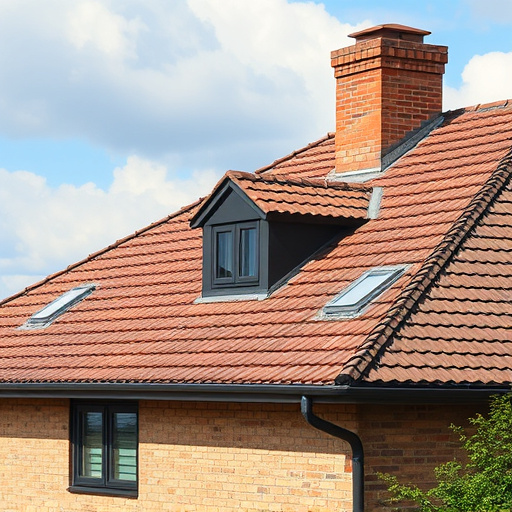
Clay and terracotta tiles, though more expensive, boast exceptional durability and weather resistance, especially when properly installed. These materials are well-suited for regions with consistent rainfall or high humidity levels as their porous nature allows moisture to evaporate, preventing water buildup that could lead to structural damage over time. For homeowners looking to blend aesthetics with functionality, concrete tiles offer a robust alternative known for their ability to withstand intense sunlight and heavy precipitation without compromising integrity. Regular maintenance and inspections remain crucial even with these weatherproof options, ensuring any potential issues are addressed promptly to preserve the integrity of your roof and protect your home from the relentless forces of nature.
Traditional vs Modern: A Look at Material Trends in Renovations
In home renovations, roofing material selections play a pivotal role in ensuring structural integrity and aesthetic appeal. Historically, traditional materials like asphalt shingles have dominated the market due to their affordability and ease of installation. However, modern trends are shifting towards more durable and weather-resistant options such as metal roofing and ceramic tiles. This evolution reflects not only changing consumer preferences but also advancements in building technology and environmental considerations.
The shift towards modern roofing materials is driven by several factors. Metal roofs, for instance, offer superior longevity compared to asphalt, with some manufacturers guaranteeing up to 50 years of protection against corrosion and damage. This extended lifespan translates directly into cost savings for homeowners over the long term. Ceramic tiles likewise provide excellent resistance to extreme temperatures, making them suitable for regions prone to harsh climates. Furthermore, these materials contribute to energy efficiency through their ability to reflect sunlight, thereby reducing indoor temperatures and lowering cooling costs.
When considering home renovations, it’s crucial to weigh the initial installation cost against the long-term benefits. While traditional roofing materials may appear more budget-friendly upfront, their frequent replacement needs can offset savings. Modern alternatives, though often more expensive initially, promise reduced maintenance and repair expenses over the life of the structure. For example, a study by the National Roofing Contract Association (NRC) revealed that metal roofs typically require less than one replacement in a 30-year period, compared to three replacements for asphalt shingles during the same time frame. This data underscores the value proposition of investing in more durable roofing solutions during renovations.
Longevity and Cost-Effectiveness: Smart Choices for Lasting Roofs
When considering roofing material for your home renovations, longevity and cost-effectiveness should top your list of priorities. The roof is not just a protective barrier against the elements; it’s an investment that can significantly impact your energy bills and overall property value. Durable roofing materials not only withstand harsh weather conditions but also offer long-term savings by minimizing repair and replacement costs.
Asphalt shingles, for instance, remain a popular choice due to their affordability and ease of installation. With advancements in technology, modern asphalt shingles mimic the appearance of more expensive materials while offering improved durability. According to industry reports, high-quality asphalt shingles can last up to 30 years or more with proper maintenance, making them an economical option for many homeowners. Moreover, their widespread availability ensures easy replacement if damage occurs, contributing to lower long-term costs.
On the other end of the spectrum, metal roofing has gained popularity for its exceptional longevity and weather resistance. Steel and aluminum roofs can last 50 years or more with minimal maintenance, outperforming traditional materials in terms of durability. While the upfront cost may be higher, metal roofing offers significant returns over time through reduced replacement frequency and lower repair expenses. Additionally, many local building codes now allow for extended warranties on metal roofs, further emphasizing their reliability and longevity. Homeowners considering home renovations should weigh these options to make informed decisions that prioritize both the immediate aesthetic appeal and the future financial health of their properties.
Green Alternatives: Eco-Friendly Options for Sustainable Homes
The selection of roofing materials plays a pivotal role in ensuring the longevity and durability of a home, especially when considering environmental factors and sustainability. Among various options, green alternatives stand out as eco-friendly choices for homeowners embracing both efficient energy use and aesthetic appeal during home renovations. These materials not only reduce the carbon footprint but also offer superior weather resistance, crucial for withstanding harsh climate conditions.
One prominent trend in sustainable roofing is the use of plant-based materials like bamboo and hemp. For instance, hempcrete, a mixture of hemp fibers and lime, has gained popularity as a natural insulator, providing excellent thermal mass properties. This not only reduces energy consumption for temperature regulation but also offers exceptional fire resistance, making it a safe choice. Furthermore, these organic materials are renewable resources, ensuring a reduced environmental impact compared to traditional roofing options. Data from the U.S. Department of Energy indicates that homes with proper insulation and sustainable roofs can achieve up to 20% more energy efficiency, translating to significant long-term savings for homeowners.
Another innovative approach involves recycled content roofing materials, such as rubber shingles made from recycled tires or slate alternatives crafted from recycled metal and plastic. These options not only minimize waste but also provide durability comparable to conventional materials. For eco-conscious homeowners looking to make a statement with their home renovations, these green alternatives offer both environmental benefits and distinctive visual appeal. Expert recommendations suggest that combining sustainable roofing with energy-efficient appliances and windows can contribute to a home’s overall Net Zero Energy status, significantly reducing the carbon footprint associated with residential properties.
Expert Advice: Selecting Materials for Optimal Performance
When considering home renovations, choosing the right roofing material is a crucial decision that impacts your property’s durability, energy efficiency, and long-term value. Experts emphasize that the selection process should go beyond aesthetics, focusing on materials that offer superior weather resistance and stand the test of time. This becomes especially critical in regions prone to extreme climates, where roofs endure constant exposure to sun, wind, snow, or rain.
Durability is a key performance indicator for any roofing material. Asphaltenic shingles, for instance, have long been a popular choice due to their affordability and relative ease of installation. According to industry surveys, they account for over 60% of residential roofs in the US. However, advanced materials like metal roofing are gaining traction for their exceptional longevity—sometimes guaranteeing up to 50 years with proper maintenance. Metal is not only highly resistant to corrosion but also offers excellent protection against high-wind events, a significant concern in many coastal areas. For homeowners seeking a balance between affordability and durability, concrete tiles present a compelling option, known for their ability to withstand extreme temperatures and heavy rainfall.
Beyond individual material choices, professionals advocate for a holistic approach. This involves understanding the specific climate challenges of your region and combining materials strategically. For example, in areas prone to heavy snowfall, a stronger underlayment and steeper roof pitch can significantly improve drainage, preventing snow accumulation and potential structural damage. Conversely, in regions with high humidity, breathability is essential; some synthetic roofing materials are designed to reflect heat and reduce interior moisture buildup. By aligning material selections with local environmental factors, homeowners can ensure optimal performance during home renovations, enhancing the overall durability and resilience of their properties.
In navigating home renovations, prioritizing roofing material durability and weather resistance is paramount. This article has illuminated critical factors influencing material choices, highlighting the importance of understanding environmental exposure, structural integrity, and long-term performance. From traditional to modern options, weatherproof materials like metal and tile have proven their resilience, while green alternatives offer sustainable solutions without compromising quality. Expert advice emphasizes the need for tailored selection based on specific climate conditions and design goals. By considering these insights, homeowners can make informed decisions, ensuring their roofs not only withstand the elements but also contribute to the overall durability and value of their properties in the years to come.