Eco-friendly insulation materials for home renovations offer superior thermal performance, reduced energy bills, and lower carbon footprints compared to traditional options. Natural sources like cellulose, wool, and bamboo provide excellent moisture control, fire resistance, and longevity (up to 30+ years). These materials save up to 40% in manufacturing energy and reduce waste, significantly contributing to sustainability. Proper installation techniques and regular maintenance ensure optimal performance, resulting in energy savings of up to 50% compared to traditional methods. Adopting eco-friendly insulation in home renovations aligns with climate change mitigation efforts and creates healthier living spaces.
As the global push for sustainable living gains momentum, home renovations are at the forefront of this transition. Eco-friendly insulation materials offer a promising solution to enhance temperature regulation while minimizing environmental impact. The current challenge lies in the lack of widespread adoption of these innovative alternatives, often overshadowed by traditional, resource-intensive options. This article delves into the significance of sustainable insulation, addressing its profound effects on energy efficiency and overall ecological preservation. We explore cutting-edge materials, their benefits, and their potential to revolutionize home renovations, paving the way for greener, healthier living spaces.
- Understanding Eco-Friendly Insulation Materials: A Sustainable Approach
- Benefits for Temperature Regulation in Your Home Renovations
- Exploring Natural Options: From Fibers to Foams
- Installation Techniques and Best Practices for Optimal Efficiency
- Long-Term Savings: Environmental Impact and Cost-Effectiveness
Understanding Eco-Friendly Insulation Materials: A Sustainable Approach
The shift towards sustainable living has led to a growing interest in eco-friendly insulation materials, particularly in home renovations. This approach not only contributes to energy efficiency but also minimizes environmental impact. Unlike traditional insulations, which often rely on synthetic chemicals and non-renewable resources, eco-friendly options are derived from natural sources or recycled materials, offering a more sustainable solution for temperature regulation.
Eco-friendly insulation materials like cellulose, made from recycled paper, and wool, sourced naturally from sheep, have proven to be highly effective. These products not only provide excellent thermal performance but also excel in moisture control, preventing mold growth and ensuring air quality within living spaces. For instance, according to a study by the U.S. Department of Energy, cellulose insulation can reduce heating bills by up to 20% and cooling bills by 10% compared to traditional fiber glass insulation. In home renovations, these materials offer a practical and ethical alternative, allowing homeowners to create more energy-efficient living environments without compromising on comfort or aesthetics.
When considering eco-friendly options for your next renovation project, look for products certified by reputable organizations like the Green Building Council. These certifications ensure that the materials meet specific environmental standards, providing peace of mind. Additionally, consult with professionals who specialize in sustainable construction to ensure proper installation and maximize the benefits of these innovative insulations. By embracing eco-friendly insulation materials, homeowners can actively contribute to a greener future while enjoying improved indoor comfort and reduced energy costs.
Benefits for Temperature Regulation in Your Home Renovations

Eco-friendly insulation materials are transforming home renovations by offering superior temperature regulation while promoting sustainability. In an era where energy efficiency is paramount, these innovative solutions address a key aspect of comfortable living—maintaining optimal indoor temperatures. Traditional insulation often relies on materials with significant environmental impacts, but modern eco-friendly alternatives provide an effective and responsible path forward.
The benefits are multifaceted. First, they offer improved thermal performance, enhancing your home’s energy efficiency. For example, natural fibers like sheep’s wool or bamboo-based insulation can stabilize temperatures, reducing the reliance on heating and cooling systems. This not only lowers utility bills but also minimizes the carbon footprint associated with energy consumption. In fact, studies show that homes with eco-friendly insulation can achieve temperature regulation up to 20% more effectively than conventionally insulated structures.
During home renovations, consider the long-term advantages of these sustainable materials. They provide excellent moisture control, preventing condensation and mold growth, common issues in traditional insulation. Additionally, they are often made from renewable resources, ensuring a continuous supply and reducing the risk of price volatility associated with fossil fuel-based products. For instance, cellulose insulation, derived from recycled paper, has proven to be a reliable and cost-effective solution for many renovators seeking both environmental and economic benefits.
Expert advice emphasizes the importance of proper installation and choice of material suited to your climate and building type. Professionals recommend consulting with specialized contractors who can guide you through the options, ensuring optimal performance in your specific home renovations. By embracing eco-friendly insulation, homeowners not only contribute to a greener planet but also create healthier, more comfortable living spaces that stand the test of time.
Exploring Natural Options: From Fibers to Foams
The exploration of eco-friendly insulation materials has emerged as a crucial aspect of sustainable temperature regulation, especially in the context of home renovations. Natural options, ranging from fibers to foams, offer an array of benefits, from enhanced energy efficiency to reduced environmental impact. For instance, cellulose insulation, derived from recycled paper and organic plant fiber, outperforms traditional materials like fiberglass in terms of thermal performance while providing excellent fire resistance. This is particularly advantageous for older homes undergoing renovations, as it allows for improved comfort without compromising safety.
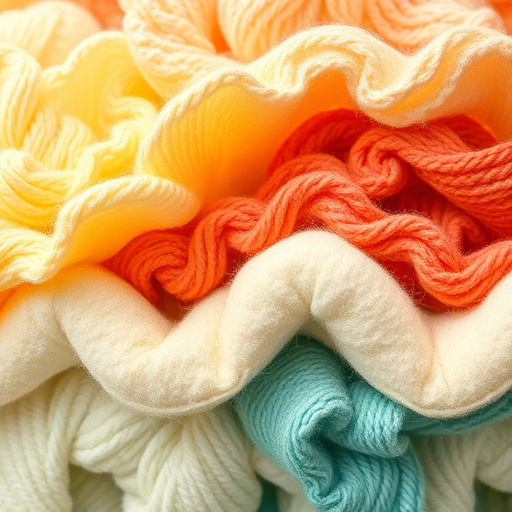
One of the most versatile natural insulations is sheep’s wool, renowned for its exceptional insulating properties due to its intricate fiber structure. According to a study by the U.S. Department of Energy, wool insulation can reduce heating and cooling costs by up to 30%, making it an attractive option for environmentally conscious homeowners. Moreover, wool is naturally flame-resistant and biodegradable, making it a sustainable choice for both new construction and renovations. In residential projects focusing on sustainability, incorporating these natural insulations not only contributes to a reduced carbon footprint but also provides long-term savings on energy bills.
Foam insulation made from plant-based materials, such as polyol-based foams, is another notable development in the eco-friendly realm. These foams offer superior R-values, ensuring optimal temperature control while minimizing material waste. Their lightweight nature facilitates easy installation, particularly in tight spaces, during home renovations. The use of bio-based foams aligns with the growing demand for sustainable building practices, as data suggests that they can have a lower environmental impact compared to conventional petrochemical-based insulations. By embracing these natural options, builders and homeowners can contribute to a greener future while achieving efficient temperature regulation in their dwellings.
Installation Techniques and Best Practices for Optimal Efficiency
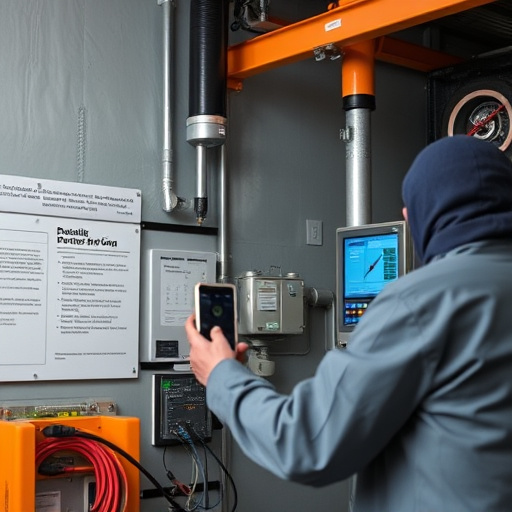
The successful integration of eco-friendly insulation materials requires meticulous installation techniques and best practices to ensure optimal temperature regulation and sustainability. In home renovations naturally, understanding the unique properties of these materials is crucial. For instance, natural insulators like cellulose, made from recycled paper, or sheep’s wool have superior air permeability, allowing for better breathability and reduced moisture buildup. This contrasts with traditional synthetic options that often trap humidity, potentially leading to mold issues over time.
During installation, ensuring proper compaction and sealing is essential. Loose insulation can leave gaps, reducing overall efficiency. Professionals recommend using specialized tools for even distribution and dense packing without compacting walls excessively. For hard-to-reach areas or tight spaces, innovative solutions like blow-in insulation offer precision and minimal disruption to existing structures. Proper sealing around windows, doors, and other penetrations is also critical; this can be achieved with high-performance seals and caulk designed for eco-friendly products.
Regular inspection and maintenance are key to maintaining the integrity of these insulations over time. Homeowners should check for any signs of damage or degradation, particularly in attics and exterior walls, which are prone to extreme temperature fluctuations. Repairs should be done promptly using spare kits provided by manufacturers. Data suggests that well-installed eco-friendly insulation can reduce energy consumption by up to 30% compared to traditional methods, making it a cost-effective and environmentally responsible choice for home renovations naturally. Regular monitoring and timely maintenance will further enhance these benefits, contributing to a sustainable and comfortable living space.
Long-Term Savings: Environmental Impact and Cost-Effectiveness
The long-term savings achieved through eco-friendly insulation materials extend far beyond mere financial gains, deeply intertwining with environmental sustainability. These materials, derived from renewable sources like cellulose, wool, and bamboo, offer a compelling alternative to traditional options, which often rely on petroleum-based products. By choosing sustainable insulation for home renovations naturally, homeowners can significantly reduce their carbon footprint. For instance, studies show that switching to recycled fiber insulation can save up to 40% of the energy that would have been used in manufacturing and transporting conventional insulation over its lifetime.
Beyond immediate cost savings on utility bills, eco-friendly insulation pays dividends over time. Its longevity—often exceeding 30 years—outperforms many synthetic alternatives that may need replacement after a decade or less. This durability translates to reduced waste ending up in landfills, further mitigating environmental impact. According to the U.S. Environmental Protection Agency (EPA), proper insulation can lower heating and cooling costs by 20-50%, making it a strategic investment for any homeowner looking to enhance energy efficiency.
Home renovations naturally incorporating eco-friendly insulation materials can unlock substantial long-term savings. While upfront costs may be slightly higher, the reduced utility expenditures, minimal waste generation, and positive environmental impact more than compensate. As climate change continues to shape our collective consciousness, adopting sustainable practices in home construction and renovation becomes not just a choice but a necessity. Experts anticipate that widespread adoption of eco-friendly insulation could lead to national energy savings equivalent to taking millions of cars off the road each year.
Eco-friendly insulation materials offer a powerful solution for sustainable temperature regulation in home renovations. By understanding the benefits of these natural options, from fiber insulations to innovative foams, homeowners can make informed decisions with significant long-term impacts. The article highlights efficient installation techniques ensuring optimal performance and energy savings. With reduced environmental footprints and cost-effectiveness, adopting these materials is a sensible step towards greener living. Integrating eco-friendly insulation into renovations not only improves comfort but also contributes to a more sustainable future, proving that practical choices can be environmentally responsible.